

Many people wonder if fraxel laser skin rejuvenation truly works. Clinical studies reveal that between 85% and 95% of patients report satisfaction with fraxel. Most would recommend this treatment to others. Individuals often seek fraxel laser skin rejuvenation for acne scars, wrinkles, sun damage, melasma, or uneven skin tone. He decided to try fraxel after years of frustration with these concerns. Fraxel laser skin rejuvenation improved his self-confidence and quality of life. The fractional laser delivers noticeable results for those seeking a proven skin rejuvenation solution.
What Is a Fractional Laser?
How Fractional Lasers Work
A fractional laser uses advanced technology to improve skin health and appearance. This device creates thousands of tiny, controlled injuries in the skin. Each micro-injury triggers the body’s natural healing process. The untreated areas between these micro-injuries help the skin heal faster and reduce downtime.
The science behind fractional laser treatments involves several important mechanisms:
| Mechanism | Description |
|---|---|
| Fractional Thermolysis (FT) | Creates a pattern of treated and untreated skin, promoting rapid healing. |
| Microthermal Zones (MTZs) | Forms small columns of heat injury, each with a unique depth and diameter. |
| Collagen Denaturation | Heats the skin to stimulate new collagen production. |
| Neocollagenesis | Encourages the growth of fresh collagen fibers for smoother skin. |
| Wavelength Absorption | Uses a 10,600 nm laser absorbed by water in skin tissue. |
This process leads to the renewal of skin texture and tone. Over time, the skin becomes tighter and smoother. Fractional laser treatments also help with pigmentation issues by targeting areas with uneven color.
Skin Concerns Treated
Fractional laser technology addresses a wide range of skin concerns. Clinical studies show that this treatment works well for many common problems:
| Skin Concern | Treatment Effectiveness |
|---|---|
| Wrinkles | Reduces fine lines and wrinkles |
| Acne Scars | Diminishes the appearance of acne scars |
| Uneven Skin Texture | Improves overall texture and tone |
| Sun Damage | Fades sun spots and repairs sun-damaged skin |
| Age Spots | Reduces uneven pigmentation |
| Melasma | Approved for melasma and other pigmentation issues |
| Periorbital Wrinkling | Treats wrinkles around the eyes |
Many people choose fractional laser for the treatment of hyperpigmentation. This technology also helps with pigmentation issues such as melasma and age spots. Individuals with acne scars often see significant improvement after several sessions. The versatility of fractional laser makes it a popular choice for those seeking solutions for acne scars, wrinkles, and pigmentation issues.
Why I Chose Fraxel
My Skin Goals
He wanted to address several skin concerns that had persisted for years. Fine lines and wrinkles appeared early, especially around the eyes and mouth. Sun spots and uneven texture became more noticeable after years of sun exposure. Acne scars from teenage years left visible marks that topical creams could not fade. Discoloration and rough patches made his skin look older than it felt. He also noticed small areas of actinic keratoses, which are rough, scaly patches caused by sun damage.
Many patients seek fraxel to improve fine lines, wrinkles, sun spots, acne scars, uneven texture, discoloration, and actinic keratoses. These goals align with his personal experience. He wanted smoother, brighter, and more youthful-looking skin. Fraxel offered a solution that targeted multiple issues at once, making it an appealing choice.
Other Treatments I Considered
He explored several options before choosing fraxel. Topical treatments and chemical peels provided only mild improvements. Microdermabrasion helped with surface texture but did not address deeper scars or pigmentation. Intense pulsed light (IPL) treatments reduced redness but left sun spots and wrinkles unchanged.
He compared different laser treatments and found that fraxel stood out for several reasons:
·Fraxel is effective for multiple skin issues that may not respond well to topical treatments.
·The treatment allows for customization in depth and intensity, which means it can be tailored to individual needs.
·Minimal downtime makes fraxel convenient for people with busy schedules.
Fraxel laser treatment is recognized for its ability to enhance skin texture, tone, and overall youthfulness. The procedure adapts to each patient, ensuring the treatment plan maximizes results. He valued the flexibility and proven track record of fraxel, which made it the best fit for his skin goals.
Preparing for Treatment
Consultation Process
He began his journey with a thorough consultation. The dermatologist examined his skin and discussed his goals for the treatment. The doctor asked about his medical history and any previous skin procedures. They reviewed the areas he wanted to improve, such as acne scars and sun spots. The consultation included a discussion of what the treatment could realistically achieve. The doctor explained the benefits and possible side effects. He appreciated the honest answers and clear expectations.
Tip: Always bring a list of questions to the consultation. This helps ensure that all concerns about the treatment are addressed.
The dermatologist also took photos of his skin. These photos helped track progress before and after the treatment. The doctor recommended a specific number of sessions based on his skin type and concerns.
Pre-Treatment Steps
He followed several important steps to prepare for the treatment. The doctor advised him to avoid sun exposure for at least two weeks before the appointment. He stopped using retinoids and other strong skincare products a few days before the treatment. The clinic provided a gentle cleanser for use in the days leading up to the session.
Here is a simple checklist he followed:
·Avoid direct sunlight and tanning beds.
·Discontinue harsh skincare products.
·Use only gentle cleansers and moisturizers.
·Stay hydrated and maintain a healthy diet.
·Inform the clinic about any changes in health or medications.
He also received instructions about what to expect on the day of the treatment. The clinic suggested arriving with clean, makeup-free skin. They reminded him to arrange transportation if he felt nervous about the procedure. These steps helped him feel confident and ready for the treatment.
The Fraxel Experience
At the Clinic
He arrived at the clinic feeling both nervous and hopeful. The staff greeted him and checked him in quickly. The clinic maintained a clean and professional environment. Before starting the fraxel session, the nurse reviewed his medical history again and answered any last-minute questions.
The nurse applied a topical numbing cream to his face. This cream needed about 45 minutes to take full effect. During this time, he relaxed in a quiet waiting area. The staff explained each step of the fraxel process, which helped him feel more at ease. After the numbing period, the nurse led him to the treatment room. The doctor checked his skin and confirmed the settings for the fraxel device.
The fraxel machine looked modern and compact. The doctor adjusted the settings based on his skin type and the areas needing improvement. The nurse used a cooling device to blow cold air over his skin. This step aimed to increase comfort during the fraxel procedure. The doctor began the session, moving the handpiece methodically across his face. Each pass targeted specific zones, ensuring even coverage.
Tip: Arriving early for a fraxel appointment allows enough time for numbing cream to work and helps reduce anxiety.
The entire fraxel session lasted about 30 minutes, not including the numbing time. The staff monitored him closely and checked for any signs of discomfort. After the session, the nurse applied a soothing ointment to his skin. The doctor reviewed aftercare instructions and scheduled his next appointment.
Pain and Comfort
Many people worry about pain during fraxel. He felt the same concern before his first session. The clinic used several pain management options to make the experience as comfortable as possible.
| Pain Management Option | Description |
|---|---|
| Topical numbing creams | Applied before fraxel to reduce discomfort. |
| Cooling air | Blown onto the skin during fraxel for added comfort. |
| Cold-air cooling system | Used throughout the session to maximize comfort. |
| Topical anesthesia | Helps manage discomfort before the procedure begins. |
He noticed a warm, prickling sensation as the fraxel device moved across his skin. Some areas, like the cheeks and forehead, felt more sensitive. The sensation reminded him of a rubber band snapping against the skin. Most patients, including him, rate the pain as a 3 to 5 on a scale of 1 to 10. The discomfort was moderate but tolerable. The numbing cream and cooling air made a big difference.
·Most patients describe fraxel as moderately uncomfortable but manageable.
·The pain level depends on individual tolerance and the area being treated.
·Many people say the results are worth the temporary discomfort.
He found that the pain faded quickly after the fraxel session ended. The clinic provided clear instructions for managing any lingering discomfort at home. He used gentle cleansers and moisturizers as recommended. The overall experience with fraxel proved less painful than he expected. The combination of numbing cream and cooling devices helped him complete the treatment with confidence.
Recovery Timeline
Immediate Aftercare
After a Fraxel fractional laser session, the skin needs special care to support healing and comfort. Patients often notice warmth, tightness, and mild irritation right away. These sensations feel similar to a mild sunburn. To help the skin recover, clinics recommend several important steps:
·Use a gentle cleanser with lukewarm water to wash the face.
·Apply a hydrating moisturizer after cleansing to keep the skin soft.
·Place a cool compress on the treated area to reduce swelling and soothe discomfort.
·Avoid direct sunlight and practice strict sun protection. Broad-spectrum sunscreen with SPF 30 or higher is essential every day.
·Stay hydrated by drinking plenty of water.
·Reapply moisturizer as needed, especially during the peeling phase.
Tip: Patients should avoid picking or scratching at flaking skin. This helps prevent scarring and supports even healing.
Day-by-Day Healing
The recovery process after Fraxel treatment follows a predictable timeline. Each stage brings different changes to the skin:
1.Immediate Effects (0-2 days): The skin feels warm, tight, and slightly irritated. Redness and swelling are common.
2.Days 1-3: Redness and swelling begin to fade. The skin may look puffy or feel sensitive.
3.Days 4-7: Peeling starts as old skin flakes away. The new skin underneath appears smoother and more even.
4.Week 2: Most redness fades. The skin continues to heal and looks brighter.
5.Weeks 3-4: Skin clarity, tone, and firmness improve. Collagen production continues beneath the surface.
Most patients experience redness, dryness, and swelling for five to seven days. Complete healing can take up to two weeks. By the end of the first month, many notice visible improvements in texture and tone.
Note: Recovery times can vary based on skin type and treatment intensity. Following aftercare instructions helps ensure the best results.
Side Effects and Risks
My Experience
He noticed several side effects after his Fraxel fractional laser treatment. Most of these reactions matched what dermatologists describe as common. The skin felt warm and looked red for the first two days. Swelling appeared, especially around the eyes, but faded within 48 hours. Peeling started on day three and lasted about four days. He followed the aftercare plan closely, which helped his skin heal without problems.
The table below shows the most common side effects people report after Fraxel:
| Side Effect | Description |
|---|---|
| Pain | Commonly reported but resolves quickly. |
| Swelling | Often occurs post-procedure and subsides soon. |
| Redness | A typical reaction that diminishes over time. |
| Peeling | Likely during the healing process. |
| Risk of Infection | Present due to skin barrier compromise. |
| Scarring | Potential risk associated with laser treatments. |
He did not experience infection or scarring. Studies show that about 7.6% of patients have complications after Fraxel. The most frequent issues include acne-like breakouts and cold sore outbreaks. He did not have these problems, but he learned that anyone with a history of cold sores should tell their doctor before treatment.
What to Watch For
Patients should watch for certain symptoms after Fraxel. These include:
·Redness and swelling
·Discomfort or pain
·Skin sensitivity
·Itching or dryness
·Peeling or flaking
·Changes in skin color
·Scarring
·Infection
Most people see redness for two to four days and swelling for one to two days. Flaking usually lasts up to a week. Some people may notice dry or raw-feeling skin. Rare risks include herpes virus reactivation, post-inflammatory hyperpigmentation, and eye injury if proper protection is not used.
Tip: Following aftercare instructions helps reduce the risk of infection and supports minimization of scarring.
He found that careful skin care and sun protection made a big difference in his recovery. Anyone considering Fraxel should discuss their medical history and risk factors with a dermatologist before treatment.
Results and Longevity
Visible Changes
Fraxel delivers noticeable results for many people seeking skin improvement. The changes often appear in stages. Each stage brings new benefits for those with concerns like acne scars, fine lines and wrinkles, and uneven skin texture.
1.Immediately after treatment, the skin shows intense redness, warmth, and swelling. This reaction looks and feels like a mild sunburn.
2.By the end of week one, the skin appears fresher, smoother, and brighter. A pinkish tone replaces the initial redness. Many notice that fine lines and wrinkles look softer.
3.During weeks two to four, the pinkness fades. The skin reveals improved texture and tone. Smoother and clearer skin becomes more visible.
Many patients see harmonization of skin color and increased flexibility. Fraxel reduces wrinkles and improves the classification of skin aging. People with acne scars often notice a significant reduction in their appearance. Those with uneven skin texture see a more even surface. The treatment also helps with fine lines and wrinkles, making the skin look younger and healthier.
Fraxel stands out for its ability to address multiple concerns at once. It improves skin texture and tone, reduces acne scars, and softens fine lines and wrinkles. The results build over several weeks as the skin heals and produces new collagen.
How Long Results Last
The longevity of results from fraxel depends on several factors. Most patients enjoy smoother skin and better tone for a long time. Clinical data shows that results can last from one year to two years or more.
| Source | Longevity of Results |
|---|---|
| Mirror Mirror Houston | Up to 12 months or longer |
| Advanced Dermatology | Typically lasts 1-2 years or longer |
| Westchester Cosmetic Dermatology | Lasts a year or more, depending on skin type and care |
Several factors influence how long the results last. A good skincare routine helps maintain improvements in skin texture and tone. Daily use of broad-spectrum sunscreen protects the skin and preserves the benefits of fraxel. Healthy lifestyle choices, such as avoiding smoking and drinking alcohol, support long-lasting results. Regular maintenance treatments can extend the effects and keep the skin looking its best.
| Factor | Description |
|---|---|
| Skincare routine | Consistent use of retinol or collagen-boosting products helps maintain results. |
| Sun protection | Daily sunscreen use preserves improvements in skin texture and tone. |
| Lifestyle choices | Healthy habits, such as proper hydration and nutrition, support skin health. |
| Maintenance treatments | Follow-up sessions can enhance and prolong the results of the initial treatment. |
Fraxel provides long-lasting results for many people. Those who follow aftercare instructions and protect their skin from the sun often see benefits that last for years. The treatment works well for acne scars, fine lines and wrinkles, and uneven skin texture. Many patients report ongoing improvements in skin texture and tone, making fraxel a popular choice for those seeking lasting skin rejuvenation.
Cost of Fraxel
Treatment Pricing
The cost of fraxel varies based on several factors. Many clinics in major cities charge between $500 and $750 for small areas, such as scars. A full facial fraxel treatment can reach up to $1,500 per session. The Fraxel Dual Laser often costs around $975. Other fractional laser treatments may also fall within this price range.
Several factors influence the final price of a fraxel treatment:
·The type of laser used, such as Clear and Brilliant or Fraxel Dual.
·The size of the area being treated, with small areas costing less than full-face sessions.
·The number of sessions needed to achieve the desired results.
·The expertise of the provider and the technology available at the clinic.
Most patients require three to five sessions for optimal results. This means the total investment in fraxel can range from $3,000 to $5,000. In cities like New York, prices may be higher due to demand for advanced technology and experienced providers.
Is It Worth It?
Fraxel offers long-lasting results for those seeking skin rejuvenation. Many people see smoother texture, reduced scars, and brighter skin after completing their treatment plan. The results often last for one to two years, especially with proper skincare and sun protection.
When comparing fraxel to other options, the cost per session is lower than CO2 laser treatments, which can range from $2,500 to $6,000 per session. However, CO2 lasers may require fewer sessions to achieve similar results. The table below shows a comparison:
| Laser Type | Cost per Session | Sessions Needed | Total Estimated Cost |
|---|---|---|---|
| Fraxel | $1,000 | 3–5 | $3,000 – $5,000 |
| CO2 Laser | $2,500–$6,000 | 1–2 | $2,500 – $12,000 |
Fraxel remains a popular choice because it balances cost, downtime, and results. Patients who follow aftercare instructions and complete the recommended sessions often report high satisfaction with their results. For those seeking gradual improvement and minimal downtime, fraxel provides a reliable path to healthier, more youthful skin.
Fractional Laser vs. CO2 Laser HS-411
Key Differences
Fraxel and CO2 Laser HS-411 both offer solutions for people seeking skin rejuvenation. Each device uses fractional laser technology, but their approaches and features differ. Fraxel focuses on non-ablative fractional laser energy. This method creates micro-injuries in the skin to trigger healing and collagen production. Patients often choose fraxel for its ability to improve fine lines, acne scars, and pigmentation with moderate downtime.
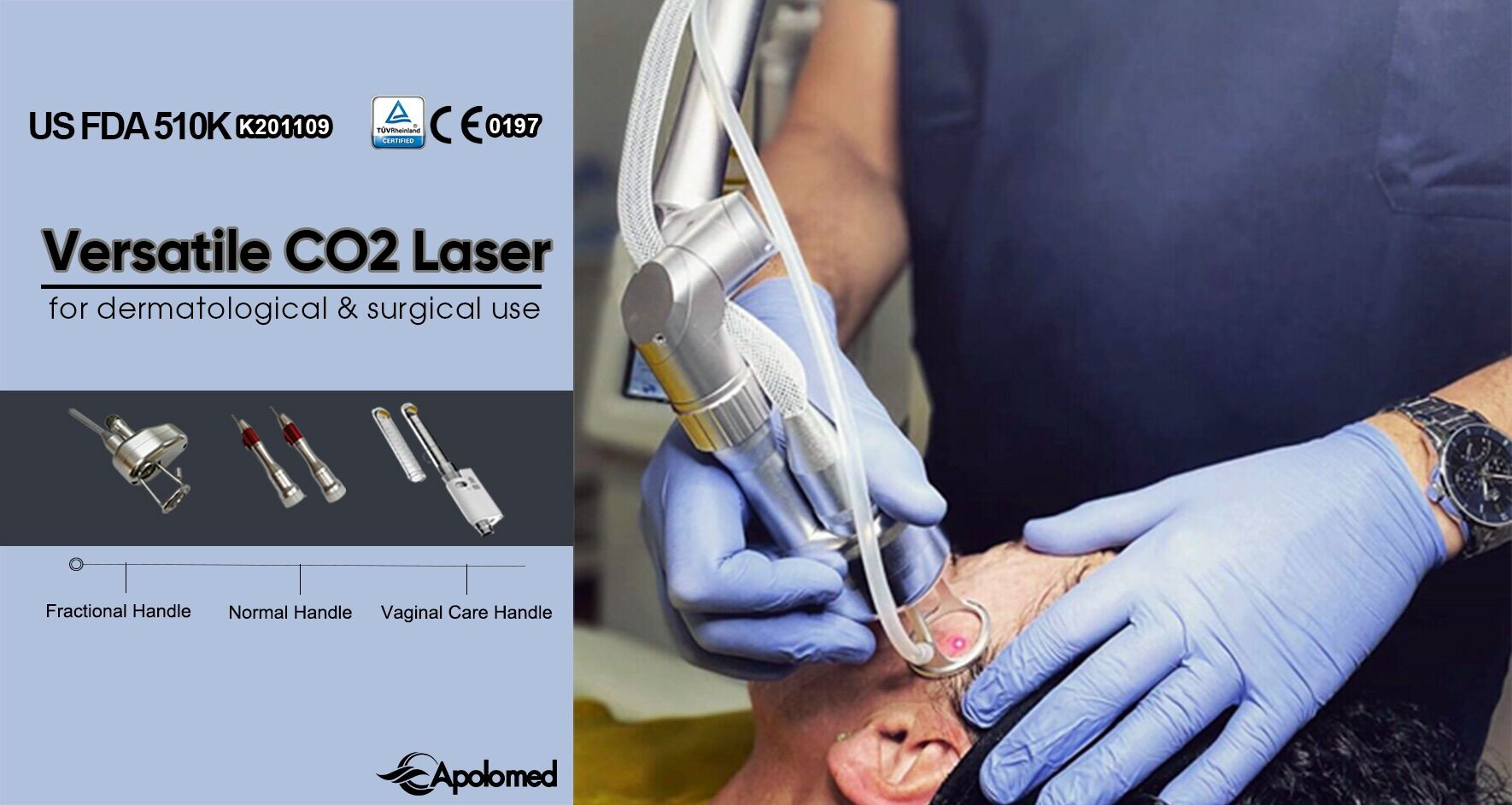
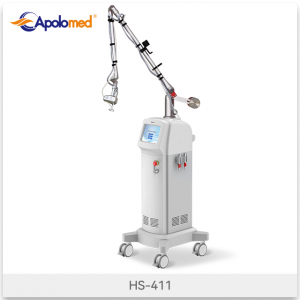
CO2 Laser HS-411 uses a 10600nm CO2 wavelength. This device provides both fractional and traditional CO2 laser modes. The system includes three handles for different applications, such as skin resurfacing, surgical cutting, and vaginal care. The table below highlights some technical features:
| Feature | Details |
|---|---|
| Laser Type | CO2 Laser |
| Wavelength | 10600nm |
| Power Modes | Pulsed, Continuous |
| Laser Power | 35~55W |
| Operation Mode | CW/ Single Pulse/ Pulse/ S.Pulse/ U.Pulse |
| Cooling System | Air cooling system |
| Warranty | 1 Year |
| After-sales Service | Field installation, training, online support |
| Aiming Beam | Diode 655nm (Red), adjustable brightness |
Fraxel offers a shorter recovery time for most patients. CO2 Laser HS-411 can provide deeper results in one session, but downtime may be longer. Both devices support advanced skin resurfacing, but CO2 Laser HS-411 adds versatility with its 3-in-1 system.
Why Consider apolomed
CO2 Laser HS-411 stands out for its versatility and advanced features. The device supports multiple applications, making it suitable for aesthetic, medical, and surgical fields. The system includes a fractional handle for skin resurfacing, a surgical handle for cutting, and a vaginal care handle. This design allows practitioners to address a wide range of concerns with one device.
Key benefits of CO2 Laser HS-411 include:
·Skin resurfacing for rough texture, coarse pores, and pigmentation
·Wrinkle treatment for crow’s feet and forehead lines
·Scar repair for acne and burn scars
·Vaginal care, including tightening and labium whitening
The device uses advanced scanning technology. Practitioners can customize treatment shapes and sizes for each patient. The random operate mode reduces discomfort and downtime. CO2 Laser HS-411 holds certifications such as ISO 13485, SGS ROHS, CE 0197, and US FDA. These certifications show a commitment to safety and quality.
Many clinics recommend CO2 Laser HS-411 as an alternative or complement to fraxel. People who want more options for skin and vaginal treatments may benefit from this system. The combination of advanced technology and multiple applications makes CO2 Laser HS-411 a strong choice for those seeking comprehensive treatment.
Fraxel delivers impressive results for many seeking skin rejuvenation. He observed smoother skin, fewer scars, and a brighter complexion. Most patients see results within weeks, with improvements lasting over a year. Those with acne scars, wrinkles, or sun damage often benefit most from fraxel. Dermatologists recommend discussing your medical history, expecting mild side effects, and using gentle skincare. For those wanting more versatility or advanced features, exploring alternatives like apolomed’s CO2 Laser HS-411 makes sense. To achieve the best results, follow these steps:
1.Understand your goals.
2.Research treatment options.
3.Consult qualified practitioners.
4.Prepare for your consultation.
5.Discuss plans and risks.
6.Plan for aftercare.
FAQ
How soon can someone wear makeup after Fraxel treatment?
Most dermatologists recommend waiting at least 24 to 48 hours before applying makeup. The skin needs time to heal and reduce redness. He found that gentle, non-comedogenic products worked best during recovery.
Does Fraxel work for all skin types?
Fraxel suits many skin types, but results can vary. People with darker skin tones should consult a dermatologist. He learned that proper assessment helps reduce the risk of pigmentation changes.
How painful is the Fraxel procedure?
Patients often describe the sensation as a warm, prickling feeling. He rated the discomfort as moderate. Numbing cream and cooling devices help manage pain during the session.
Can Fraxel remove deep scars completely?
Fraxel improves the appearance of deep scars, but complete removal is rare. He noticed significant fading of acne scars after several sessions. Multiple treatments may be necessary for best results.
What activities should be avoided after Fraxel?
Patients should avoid sun exposure, swimming pools, and strenuous exercise for several days. He followed these guidelines to support healing and prevent complications.
Post time: Apr-14-2026