

The global automotive industry increasingly relies on advanced adhesive and sealing technologies to improve vehicle safety, durability, waterproofing, and structural performance. From car window sealant and automotive windshield sealant to body seam sealer and automotive RTV sealant, modern vehicles use multiple sealing systems throughout production and repair processes.
Whether for OEM automotive assembly lines or aftermarket repair shops, choosing the correct automotive silicone sealant is critical for long-term reliability and corrosion protection.
As a professional manufacturer of construction and industrial sealants, SIWAY Automotive Industry Solutions provides high-performance sealing products for vehicle glass bonding, body seam sealing, and automotive structural applications worldwide.
What Is a Vehicle Sealant?
A vehicle sealant is a specially formulated adhesive or sealing material designed to:
Unlike ordinary household silicone products, automotive-grade sealants are engineered to withstand:
Automotive sealants are widely used in:
Modern vehicles depend heavily on advanced sealing systems to maintain long-term durability and passenger comfort.
What Are the Applications of Automotive Sealants?
1. Automotive Windshield Bonding
One of the most important applications for car window sealant is windshield bonding.
Modern vehicles use polyurethane adhesives instead of traditional rubber gaskets because structural bonding improves:
- ➤ Front Windshield Installation
- ➤ Rear Windshield Bonding
- ➤ Side Glass Sealing
- ➤ Sunroof Assembly
- ✓ High Initial Tack
- ✓ Strong Adhesion
- ✓ UV Resistance
- ✓ Long-Term Elasticity
- ✓ Safe-Drive-Away Performance

Explore SIWAY automotive windshield bonding: SV-312 Polyurethane Sealant for Windshield Glazing is designed for automotive glass bonding with excellent adhesion, elasticity, and weather resistance.
2. Body Seam Sealing
Body seam sealer products are widely used in automotive manufacturing to seal welded joints and overlapping body panels.
Typical Seam Sealing Areas
- Door seams
- Roof joints
- Wheel arches
- Trunk compartments
- Floor pans
- Engine compartments
A High-Quality Car Seam Sealer Helps
- Prevent rust and corrosion
- Improve waterproofing
- Reduce cabin noise
- Extend vehicle lifespan
OEM automotive manufacturers use seam sealing systems throughout the vehicle assembly process to protect metal structures from long-term environmental exposure.
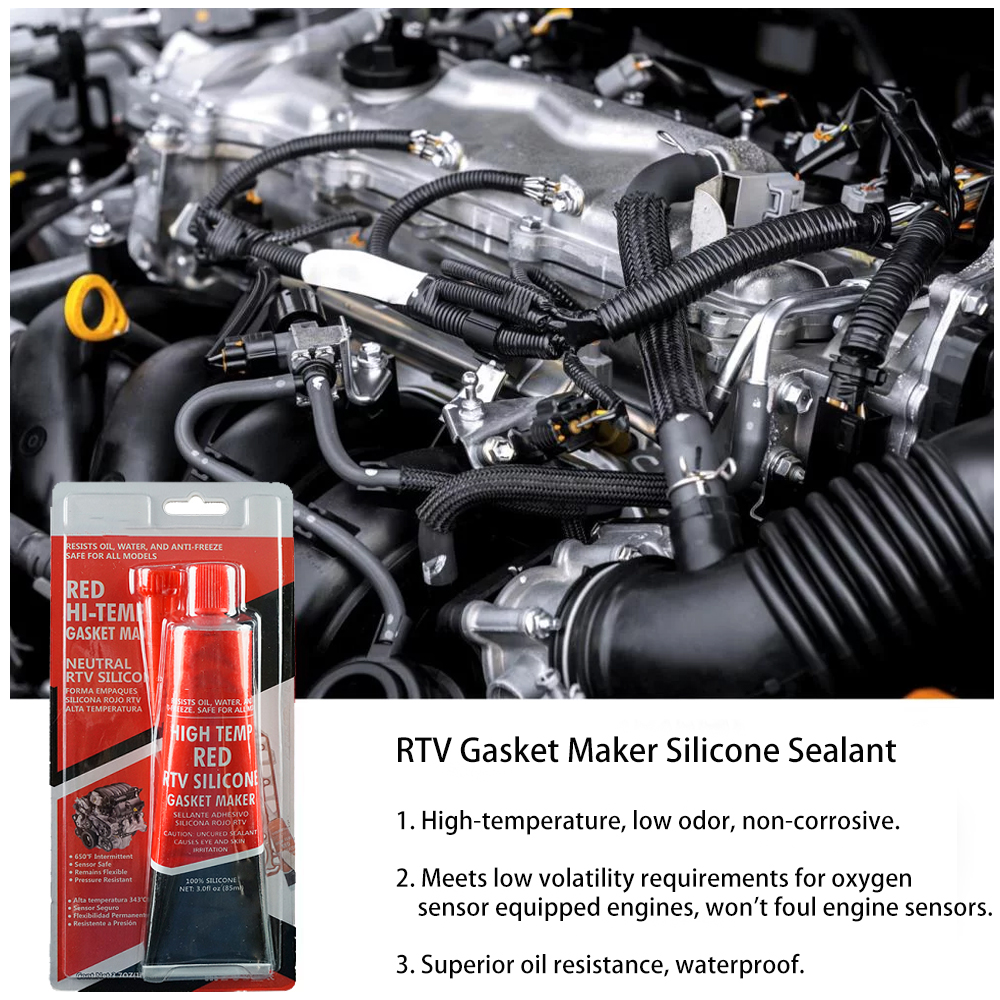
3. Automotive RTV Sealant Applications
RTV stands for “Room Temperature Vulcanizing.”
Automotive RTV sealant is a silicone-based sealing material that cures at room temperature when exposed to moisture in the air.
RTV silicone sealants are commonly used for:
• Valve covers
• Oil pans
• Transmission housings
• Water pumps
• Engine gaskets
• Differential covers
Key performance advantages include:
• Excellent temperature resistance
• Oil and coolant resistance
• Permanent flexibility
• Vibration resistance
Automotive RTV silicone is especially suitable for engine systems requiring high-temperature sealing performance.
4. Underbody & Structural Sealing
Automotive sealants are also used for:
• Underbody anti-corrosion protection
• Stone-chip resistance
• Acoustic insulation
• Structural reinforcement
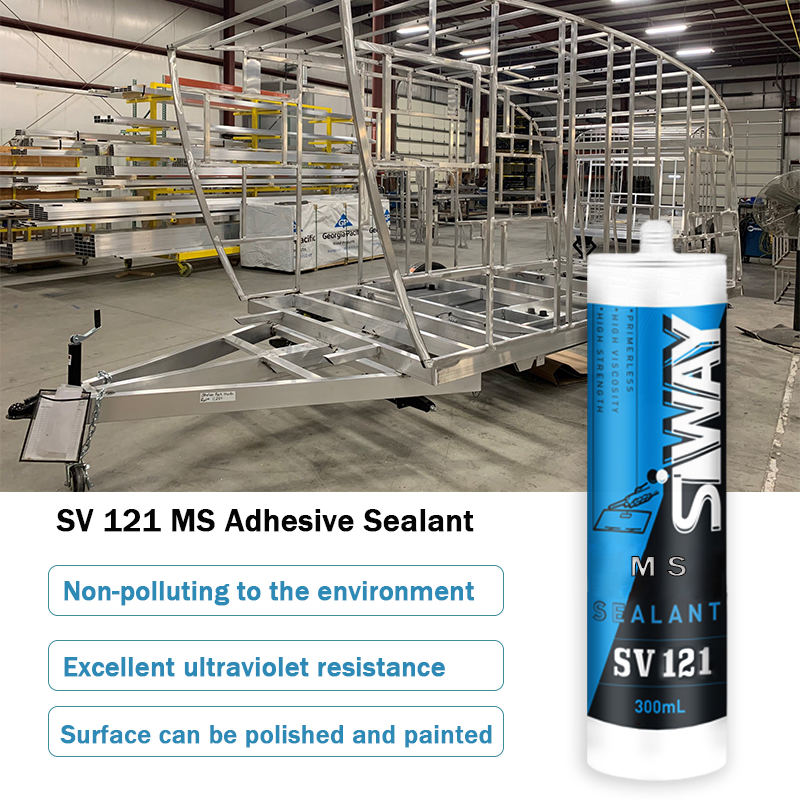
Hybrid polymer and polyurethane technologies are increasingly popular because they combine:
• Strong adhesion
• Flexible movement capability
• Excellent weather resistance
• Paintability
Learn more about hybrid sealing technologies: SIWAY Hybrid & MS Polymer Sealants
Car Seam Sealer vs Automotive Silicone Sealant
Many buyers confuse car seam sealer with automotive silicone sealant, but their functions are different.
| Product Type | Main Purpose | Typical Applications |
|---|---|---|
| Car Seam Sealer | Waterproofing & corrosion protection | Vehicle body seams |
| Automotive Silicone Sealant | Flexible high-temperature sealing | Engine systems |
| Polyurethane Windshield Sealant | Structural glass bonding | Windshield installation |
| Hybrid/MS Sealant | Multi-purpose bonding & sealing | Automotive assembly |
Selecting the correct sealant depends on:
- Surface material
- Temperature exposure
- Flexibility requirements
- Structural strength
- Weather resistance
What Is the Best Way to Apply Automotive Sealant?
Correct application directly affects sealing performance and product lifespan.
Step 1: Surface Preparation
Before application:
• Remove oil and grease
• Clean dust and contaminants
• Eliminate rust
• Ensure dry surfaces
Proper surface preparation significantly improves adhesion performance.
Step 2: Select the Correct Sealant
Different automotive applications require different products.
Application Recommended Sealant
Windshield bonding Polyurethane adhesive
Engine sealing RTV silicone
Body seams Seam sealer
Exterior joints UV-resistant hybrid sealant
Step 3: Apply Evenly
Use a professional caulking gun or pneumatic applicator.
Best practices:
• Maintain consistent bead size
• Avoid trapped air
• Follow OEM seam patterns
• Smooth sealant when necessary
Step 4: Allow Proper Curing
Curing time depends on:
• Humidity
• Temperature
• Sealant chemistry
• Application thickness
Windshield adhesives especially require proper curing before vehicle operation.
Why Automotive Sealants Are Essential
Modern vehicles rely heavily on advanced sealing technologies for both performance and safety.
Benefits include:
• Waterproof sealing
• Corrosion prevention
• Structural reinforcement
• Improved vehicle durability
• Noise reduction
• Better thermal insulation
• Enhanced passenger comfort
Automotive experts and repair technicians consistently note that proper seam sealing is essential to prevent water intrusion and long-term rust issues.
Why Choose SIWAY Automotive Sealants?
SIWAY Sealants Official Website is a professional sealant manufacturer specializing in:
• Silicone sealants
• Polyurethane sealants
• MS polymer sealants
• Automotive bonding solutions
• Industrial adhesive technologies
With years of manufacturing experience, SIWAY products are exported to multiple countries and widely used in automotive, construction, and industrial applications.
SIWAY Factory Strength
1.Advanced Manufacturing Capability
SIWAY operates modern production facilities equipped with:
• Automated mixing systems
• Precision filling lines
• Quality-control laboratories
• OEM & private label production capability
2.Global Export Experience
SIWAY serves customers across:
• Southeast Asia
• Middle East
• Europe
• Africa
• South America
3.Professional OEM & ODM Service
SIWAY supports:
• Customized packaging
• Private label service
• Customized colors
• Bulk industrial supply
• Technical formulation support
4.Quality Assurance
Products undergo strict testing for:
• Adhesion strength
• UV resistance
• Temperature resistance
• Aging durability
• Weather performance


As automotive technology continues to evolve, demand for advanced automotive silicone sealant, body seam sealer, car window sealant, and automotive windshield sealant solutions continues to grow.
From OEM assembly lines to professional vehicle repair shops, choosing high-performance sealing materials is essential for safety, durability, and long-term vehicle protection.
With strong manufacturing capability, professional R&D support, and global export experience, SIWAY Automotive Sealants continues to provide reliable automotive adhesive and sealing solutions for customers worldwide.
FAQ
Post time: May-21-2026